

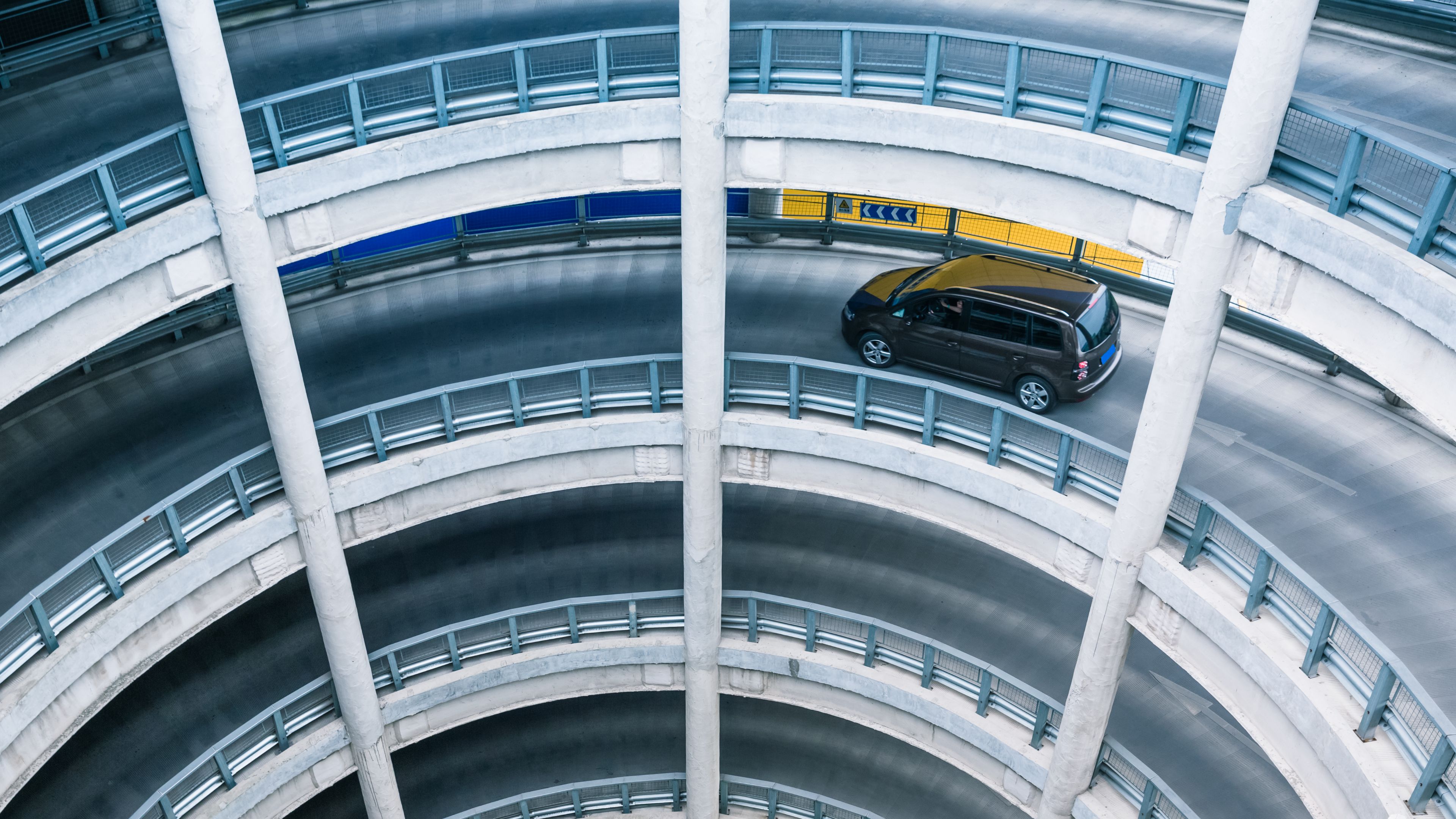
Renting a car on the islands seems like the perfect solution for getting around freely. And it is, in many cases, but with a hidden cost that almost no one calculates before arriving: the time lost looking for parking. In high season, that time can be considerable.
Studies on tourist mobility in island destinations in the Mediterranean and Atlantic indicate that a tourist with a rental vehicle loses between 20 and 45 minutes a day looking for a parking space. In a week's vacation, that can add up to between 2 and 5 hours of lost time, stress included.
The most problematic spots in the Canary Islands
Not all areas of the islands present the same problem. Traffic and lack of parking are concentrated mainly in tourist centers and at the access points to major attractions.
Gran Canaria
In Las Palmas de Gran Canaria, finding parking in the Las Canteras or Vegueta area on a weekend can take more than 30 minutes. In the south, the car parks of Maspalomas and Playa del Inglés fill up from early morning in July and August. Access to the Maspalomas Dunes by private car is especially complicated in summer.
Tenerife
The metropolitan area of Santa Cruz de Tenerife and La Laguna has one of the highest congestion rates in the archipelago. In the south, Los Cristianos and Las Américas concentrate an enormous amount of tourist traffic throughout the season. Access to Teide National Park is especially critical: in summer, the park's car parks fill up before 10 am and many visitors have to turn back.
Lanzarote
In Puerto del Carmen, the beach area and promenade have very limited capacity. Access to Papagayo Beaches also generates long waits in summer, as the dirt track leading to the coves does not allow parking at any point and the designated area fills up quickly.
Fuerteventura
The center of Corralejo and the car parks of Morro Jable present similar problems in high season. The most famous beaches in the north, such as Playa de Sotavento, also do not have unlimited parking.
The real cost of lost time
Time is not the only problem. Driving around looking for parking generates stress, consumes fuel, and in many cases ruins the good mood with which one starts the morning. To this must be added the cost of parking itself: in large tourist centers, public car parks can cost between 2 and 5 euros per hour, and private ones near the most popular beaches, even more.
| Area | Average time spent looking for parking (high season) |
|---|---|
| Las Canteras (Las Palmas) | 25 to 40 minutes |
| Maspalomas / Playa del Inglés | 20 to 35 minutes |
| Teide (access and parking) | 30 to 60 minutes (or turn back without parking) |
| Los Cristianos / Las Américas | 20 to 40 minutes |
| Puerto del Carmen (Lanzarote) | 15 to 30 minutes |
| Papagayo (Lanzarote) | 20 to 45 minutes |
Rental car vs private transfer: what's better
For many tourists, the equation has more variables than it seems at first glance. A rental car offers independence, but also involves looking for parking, paying for it, worrying about insurance, managing the return, and assuming the risk of fines or bumps in unfamiliar areas.
A private transfer eliminates all these problems: the vehicle picks up travelers at the agreed point, takes them to their destination, and they don't have to worry about anything else. There's no search for parking, no added cost for parking, and no stress from not knowing the streets.
For groups of 3 or more people, a private transfer is often also more economical per person than car rental when adding fuel, parking, and insurance. With Million Routes, you can book private transfers from the airport or from any hotel on the islands to the main points of interest, with a fixed price and no surprises.
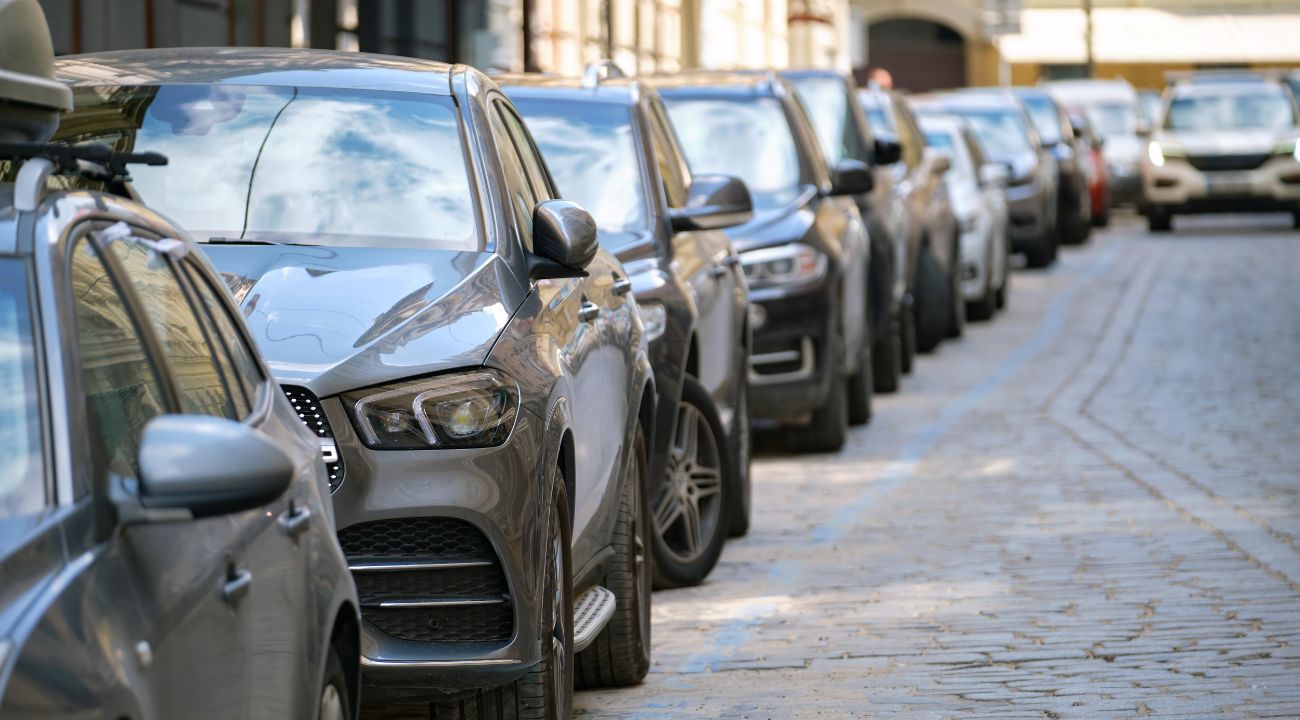
Tips if you decide to rent a car anyway
- Leave before 9 am to reach the most popular spots before the car parks fill up.
- Use parking apps like Parclick or ElParking to book a space in advance in large urban centers.
- At Teide, the El Portillo and Parador de Las Cañadas car parks are the most in-demand: they fill up before noon in summer.
- On beaches with track access (like Papagayo), it's best to arrive before 9 am or visit during less crowded months.
- Consider parking outside the tourist center and completing the journey on foot or by public transport in areas where possible.
Frequently asked questions about parking on the islands
Are there free parking areas on the islands?
Yes, but in high season, free parking spaces near tourist areas fill up very quickly. It's common to have to park quite far from the final destination and walk several minutes.
Can I park on the street in Canary Island cities?
In urban centers like Las Palmas, Santa Cruz de Tenerife, or Arrecife, most on-street spaces are blue zone (paid) during business hours. Outside these hours, on-street parking is usually free.
Is a private transfer more expensive than renting a car?
It depends on the number of people and how you plan to use the car. For specific transfers (airport to hotel, day trip), a private transfer is usually more competitive once all rental costs are added. For those who want to move with complete freedom for several consecutive days, renting might make more sense.
Do natural park car parks require advance booking?
Access to Teide National Park by private vehicle does not require parking reservation, but capacity is limited and in summer it fills up before 10 am. At Maspalomas Dunes and Papagayo, the designated parking area also has limited capacity and cannot be reserved.
