

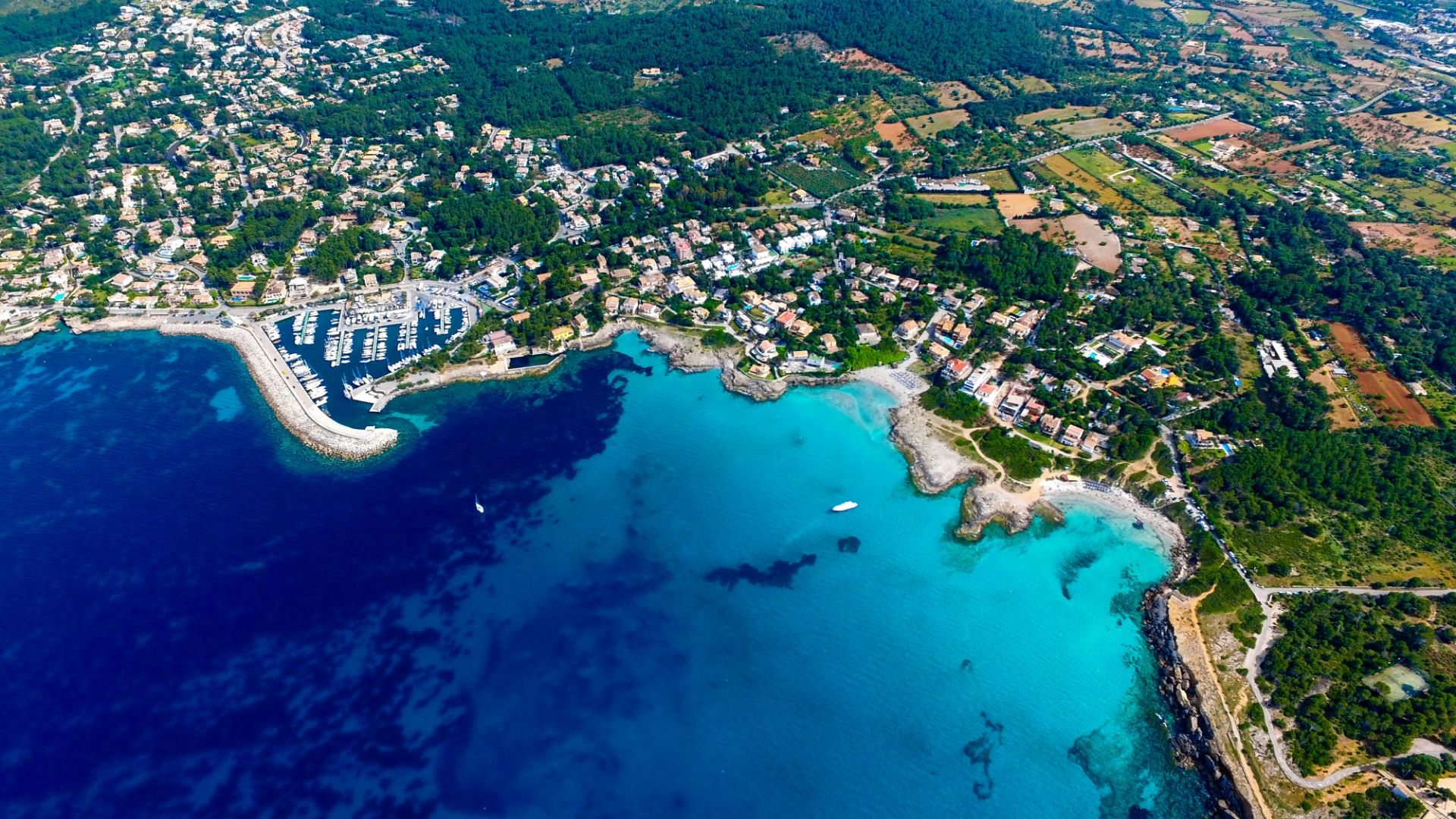
Choosing how to get around Mallorca influences the trip as much as choosing where to stay. While some areas are very well connected, many coves, villages, and viewpoints are only accessible by private vehicle.
There isn't a single way to explore the island. It all depends on the type of trip you are planning. If you are staying in Palma or a resort and have few excursions planned, you probably won't need a car. If your goal is to discover the Serra de Tramuntana, inland villages, and lesser-known beaches, having a vehicle will make a huge difference.
In this guide, we analyze all the options for getting around Mallorca, including private transfer, which many travelers don't consider, so you can decide which best suits your travel style.
Quick comparison
| If your trip is... | Most recommended option |
|---|---|
| First time in Mallorca | Rental car |
| Palma only | On foot + EMT + TIB |
| Explore the entire island | Rental car |
| Arrival from the airport with luggage | Private transfer |
| Family with children or elderly people | Private transfer |
| Excursion to a specific destination without driving | Private transfer |
| Hiking | Car |
| Cycling tourism | Bicycle |
| Without a driving license | TIB Bus + private transfer |
Do I need to rent a car in Mallorca?
It depends on the trip. If your plan is to stay in Palma or a well-connected tourist area and do few excursions, you can get around perfectly well by public transport.
However, if you want to discover hidden coves, explore the Serra de Tramuntana, visit inland villages, or improvise your itinerary on the go, renting a car is still the most comfortable and flexible option.
In summer, it is advisable to book several weeks in advance. Mallorca receives hundreds of thousands of travelers every week, and rental prices increase considerably when availability decreases.
Rental car
For most travelers, it remains the best way to explore Mallorca. It allows access to practically any corner of the island, from small coves to inland villages, without depending on schedules or connections.
It is especially recommended if you are going to visit different areas during your holidays, change accommodation, or travel with children and luggage. However, it also has some drawbacks. During July and August, prices can double compared to the mid-season, and parking is difficult both in Palma and at very popular beaches.
The roads in the Serra de Tramuntana do not present any special technical difficulty, but they do require patience: they are narrow, with many curves, and travel time is usually longer than indicated by the GPS.
If you finally opt to rent a car, it is worth booking in advance, thoroughly checking the insurance coverage, and keeping in mind that some beaches, such as Formentor, regulate access via shuttle buses during peak months.
Bus (TIB)
The TIB intercity bus network connects Palma with most municipalities and tourist areas of Mallorca. It is an economical and very useful alternative for those traveling without a car and planning to move between the island's main centers.
Lines to Alcúdia, Cala Millor, Magaluf, Santa Ponsa, or Sóller work especially well during high season and allow you to explore Mallorca on a reduced budget.
However, it is advisable to adjust expectations. Many small coves, inland villages, or viewpoints in the Serra de Tramuntana are outside the regular network or have very few frequencies, especially outside of summer.
If your trip revolves around Palma and some specific destinations, the bus can perfectly cover your needs. If you are looking for freedom to improvise, it will probably fall short.
Train
Mallorca offers two completely different railway experiences. On one hand, there is the TIB railway network, which connects Palma with Inca, Manacor, and Sa Pobla. It is a modern, punctual, and very useful service for exploring part of the island's interior without needing to drive.
Very different is the historic Sóller Train. Inaugurated in 1912, it retains its original wooden carriages and crosses the Serra de Tramuntana to reach Sóller on a journey that has become an attraction in its own right. It is not the fastest way to get to the town (the bus takes less time), but the journey is part of the experience. If you travel in high season, it is advisable to book tickets several days in advance.
Bicycle
Mallorca has established itself as one of the major European destinations for cycling tourism. Every winter, numerous professional teams train here thanks to the quality of the roads, the good climate, and the enormous variety of routes.
The flatter areas in the north, such as Alcúdia or Playa de Muro, are ideal for occasional cyclists, while the Serra de Tramuntana offers some of the best-known mountain passes in Europe. The popularization of electric bicycles has meant that more and more travelers can explore the island on two wheels without needing extensive physical preparation.
Private transfer
Not everyone traveling to Mallorca wants to drive. And the bus is not always a real option: with a lot of luggage, small children, or when the destination is far from any regular line, private transfer solves situations that other options don't cover well.
Arrival from Palma Airport is the clearest example. The airport handles enormous operations during high season, and queues at taxi stands can drain a good part of your energy on the first day. Having a vehicle waiting at the arrivals exit, with the price fixed in advance and the driver holding your name, is a much more relaxed way to start your holiday.
It also works very well for specific excursions. If you want to spend a day in Valldemossa, visit the Cuevas del Drach, or explore the north coast without having to drive on mountain roads, a vehicle with a driver allows you to set your own pace without depending on bus schedules or worrying about parking.
Million Routes operates these types of transfers in Mallorca with vehicles for different group sizes. The price is agreed upon before the journey, and you define the itinerary.
How transport changes with the time of year
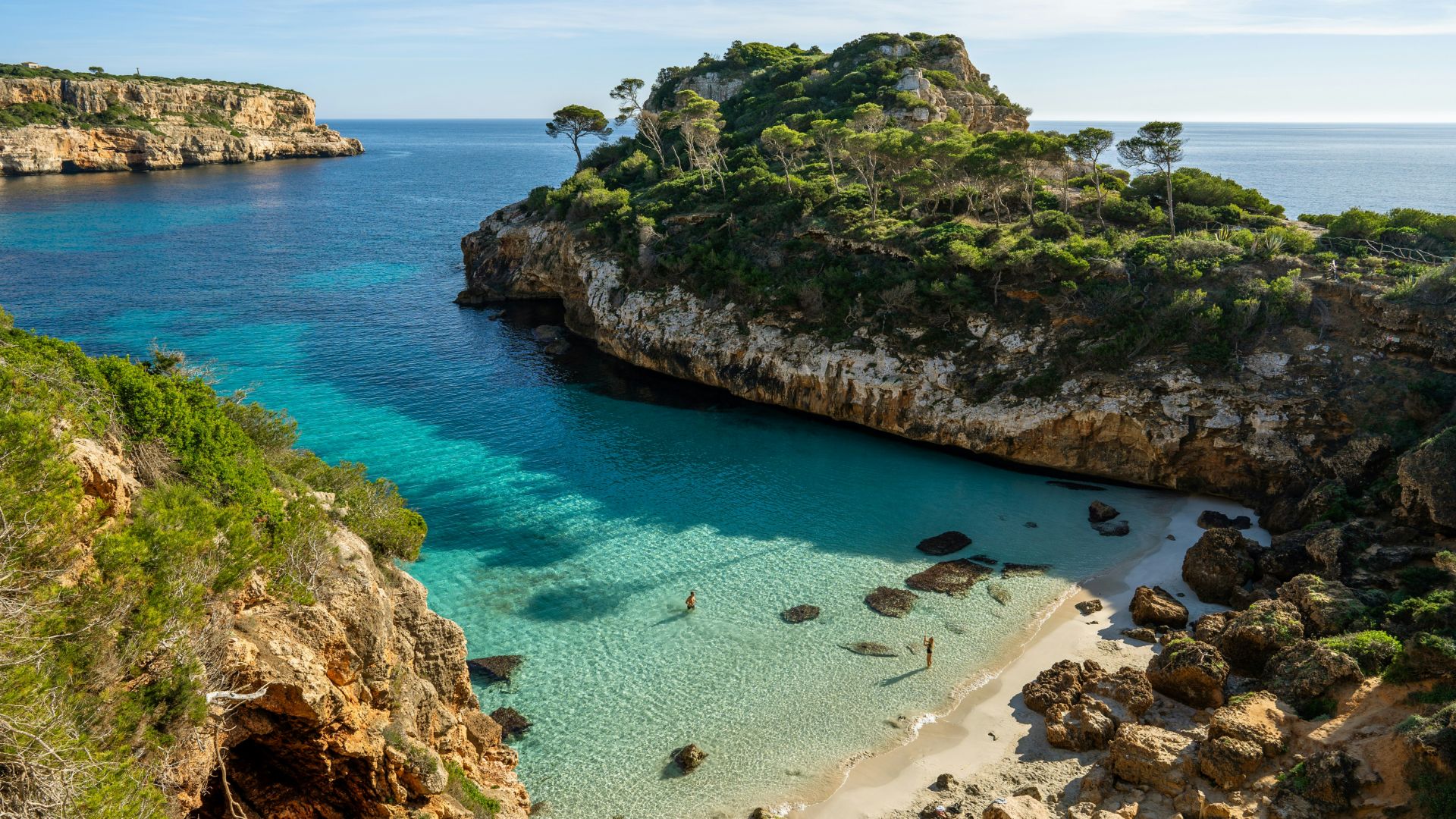
Mobility in Mallorca varies greatly depending on the season. During July and August, bus frequencies increase, shuttle services are enabled for some regulated-access beaches, and car rental reaches its highest demand of the year. It is also when parking in coves becomes most difficult and when the Sóller Train usually sells out seats most quickly.
Spring and autumn are probably the best times to explore the island. There is less traffic, prices are more contained, and public transport maintains a good part of its services.
In winter, many lines reduce frequencies, and some tourist areas operate at a much quieter pace, so having a car or booking occasional transfers becomes an important advantage again.
Common mistakes when planning mobility
One of the most frequent mistakes is thinking that the bus reaches all beaches. In reality, many of the best-known coves are only accessible by car or after a good walk.
It is also common to leave car rental until the last minute during the summer. At those times, prices can double, and availability may even run out.
Another fairly common mistake is underestimating driving times through the Serra de Tramuntana. Although distances seem short on the map, the roads require calm driving, and journeys usually take longer than expected.
And if you are staying in Palma, it also doesn't make much sense to use a car to get around the historic center. Parking is complicated, and the city is much more enjoyable on foot or using urban transport.
Which option suits you?
If you are looking for freedom to discover the entire island: rent a car.
If you are staying in Palma: combine public transport and walking.
If you arrive with a lot of luggage or travel with children: consider a private transfer for arrival and key journeys.
If you want to make a specific getaway without driving: private transfer or bus depending on the destination.
If your trip revolves around sports: cycling is one of the best ways to explore Mallorca.
If you just want to enjoy your accommodation and the beach: you probably won't need a car for the entire stay.
Conclusion
There isn't a single correct way to get around Mallorca because there isn't a single type of trip. If your plan is to enjoy Palma or stay in the same area for the entire duration, public transport may be sufficient. However, if you want to explore the island in depth, discover charming villages, tour the Serra de Tramuntana, or visit less crowded coves, a rental car remains the most comprehensive option. And for specific moments when neither driving nor the bus is practical (arrivals with luggage, families with children, specific excursions), a private transfer is an alternative worth considering.
The key is to decide how you will get around even before booking accommodation. That decision will condition the type of holiday you will experience and, in many cases, will determine which parts of Mallorca you will get to know.
Frequently asked questions about getting around Mallorca
What is the best way to get around Mallorca if it's our first time visiting?
If you want to explore different areas of the island, visit coves, and get to know the Serra de Tramuntana, a rental car is the most recommended option. However, if you are only staying in Palma or a well-connected resort, you can do without it.
Is it essential to rent a car in Mallorca?
No. It depends on the type of holiday. For stays focused on Palma or a single tourist area, public transport is usually sufficient. If you want to explore the island freely, renting a car will make a difference.
Can Mallorca be explored solely by bus?
Yes, but with limitations. The TIB network connects the main municipalities and tourist areas, but many coves, small villages, and viewpoints do not have direct connections or have infrequent services.
Is it easy to drive in Mallorca?
Generally, yes. The main roads are in good condition. The only area where it's advisable to take the journey calmly is the Serra de Tramuntana, due to its narrow roads and numerous curves.
What is the best time to explore Mallorca?
Spring and autumn usually offer the best balance between weather, traffic, and transport availability. In summer there are more services, but also more visitors.
Is the Sóller Train worth it?
Yes. More than a means of transport, it is a tourist experience. The route crosses the Serra de Tramuntana on a historic wooden train inaugurated in 1912 and is considered one of the most beautiful railway journeys in Spain.
Is it a good idea to stay in Palma without a car?
Yes. Palma is easily explored on foot and has good connections by bus and train. If you are only going on one or two excursions, it is usually not necessary to rent a vehicle for the entire stay. For those specific outings, a private transfer can be more practical than a one-day rental.
How much time is needed to explore Mallorca?
To calmly explore the main areas, it is advisable to have at least one week. If the stay is three or four days, the most practical approach is to focus on a specific area and take occasional excursions.
